The Importance of Piping, Steam, and Fire Protection Systems in Industrial Facilities
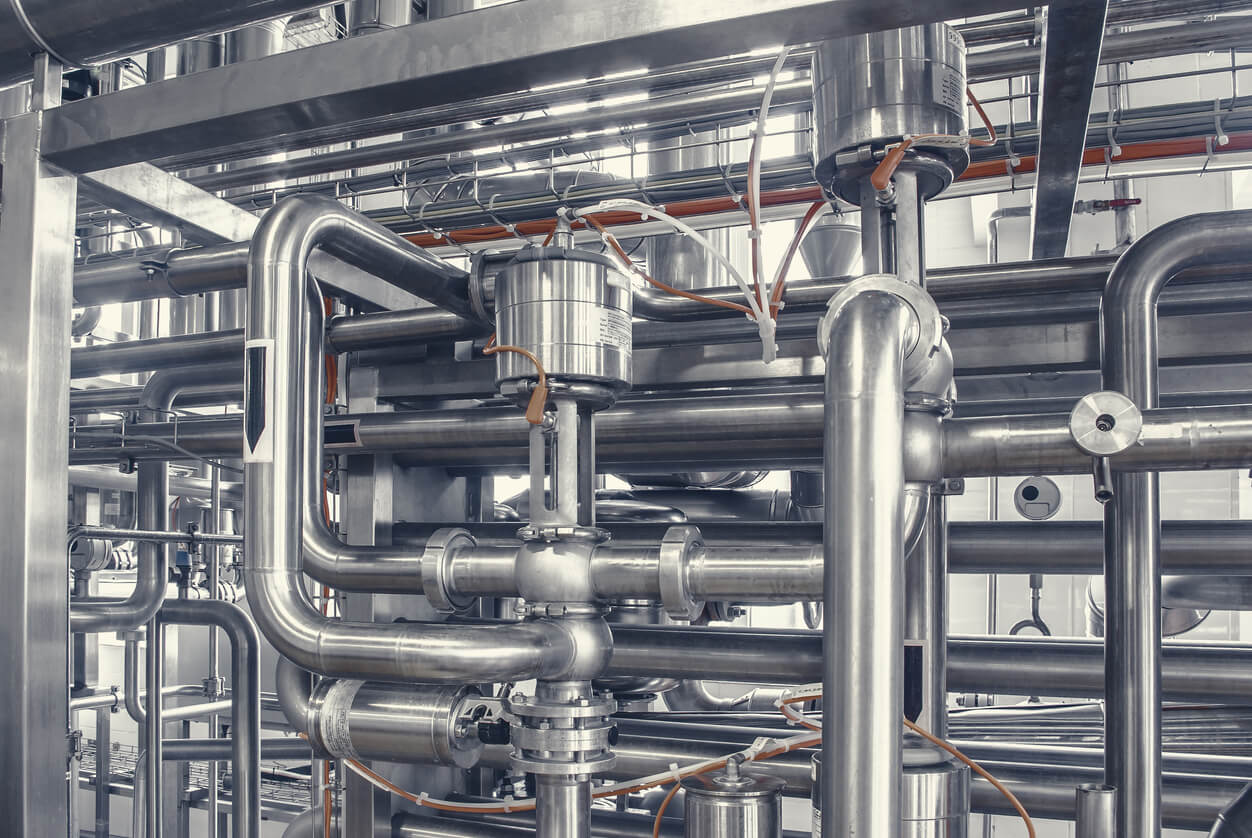
Industrial facilities require integrated systems for transporting water, liquids, materials, and steam, in addition to fire protection systems. Industrial piping networks are therefore an essential part of the operational infrastructure of many manufacturing facilities.
Industrial Piping Networks
Piping networks transport liquids and materials between tanks, equipment, and different production stages.
The design of a piping network depends on the characteristics of the transported material, operating temperature, pressure, flow rate, and distances between connection points.
- Water transportation.
- Industrial liquid transfer.
- Connecting tanks to equipment.
- Feeding production lines.
- Industrial utility systems.
Steam Piping Systems
Steam is used in many industrial processes, particularly applications requiring heating or temperature control.
Steam piping systems must consider operating conditions, thermal insulation, condensate drainage, pipe support, and installation requirements.
The Importance of Thermal Insulation
Proper insulation helps reduce heat loss and improve system efficiency. It can also help protect personnel from high-temperature surfaces.
Fire Protection Systems
Fire protection systems are essential components of industrial facilities. Their networks should be designed and installed according to project requirements and applicable standards.
Fire protection networks may include pipes, valves, supply points, pumping equipment, and other firefighting components suitable for the facility.
The Importance of Engineering Design
Engineering design should consider pipe routing, flow requirements, connection points, maintenance access, and accessibility to system components.
Proper network planning supports easier operation and maintenance while helping reduce potential future problems.
Installation and Inspection
Following the design stage, installation involves material preparation, cutting, fitting, welding, supporting, and inspection. Connections and components should be checked to ensure proper installation and system integrity.
- Design review.
- Pipe and component preparation.
- Route installation.
- Welding and fitting.
- Valve and component installation.
- Inspection and testing.
Conclusion
Piping, steam, and fire protection networks are important parts of industrial infrastructure. Their performance depends on proper engineering design, suitable materials, accurate installation, and appropriate inspection according to the requirements of each project.