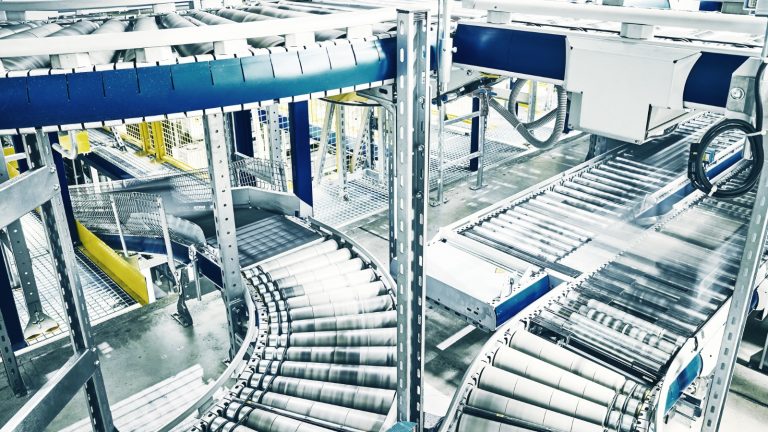
The Importance of Conveyor Systems in Modern Production Lines
Conveyor systems are among the most important components of modern production lines. They provide an organized and continuous method for moving materials and products between different stages of manufacturing.
A properly designed conveyor system reduces manual handling, improves material flow, and minimizes unnecessary delays between production stages.
The Role of Conveyors in Manufacturing
Conveyors connect different stages of a manufacturing process. They can transport raw materials, semi-finished products, finished products, and production components.
- Moving raw materials.
- Transporting products between production stages.
- Feeding machinery and equipment.
- Moving products to packaging areas.
- Transporting finished products to storage areas.
Improving Production Efficiency
A properly designed conveyor system helps maintain a continuous flow of materials throughout a facility. This reduces unnecessary interruptions and supports more consistent production rates.
Conveyors can also be integrated with sensors and automated control systems to create more advanced and efficient production lines.
Selecting the Right Conveyor
The appropriate conveyor depends on the products weight, dimensions, temperature, characteristics, transportation method, and required distance.
- Rubber conveyors.
- Metal conveyors.
- Stainless steel conveyors.
- Food-grade conveyor systems.
- Heavy-duty industrial conveyors.
Project-Specific Engineering
A conveyor system is more than just the belt. It includes the supporting structure, motors, rollers, tensioning systems, safety components, and control systems.
Proper engineering and integration ensure that all components work together according to the operating conditions and project requirements.
Maintenance and Reliability
Conveyor systems require regular inspection and preventive maintenance to ensure the reliability of mechanical and electrical components. Maintenance activities may include checking belts, rollers, motors, tensioning systems, and electrical connections.
Preventive maintenance helps identify potential problems before they develop into failures that could interrupt production.
Conclusion
Conveyor systems are essential in many industrial facilities. Selecting and engineering the right system can improve material handling, increase operational efficiency, reduce downtime, and support long-term production performance.